In Menglian, you can order your coffee with avocado.
Both grow in the surrounding hills. In the same glass, they offer a small introduction to the unexpected pleasures of southern Yunnan.
Tea grows beneath a forest canopy. The Mekong passes through a city of golden temple roofs and long tropical evenings. Farther into the rainforest, wild elephants move through a landscape that people share with them.
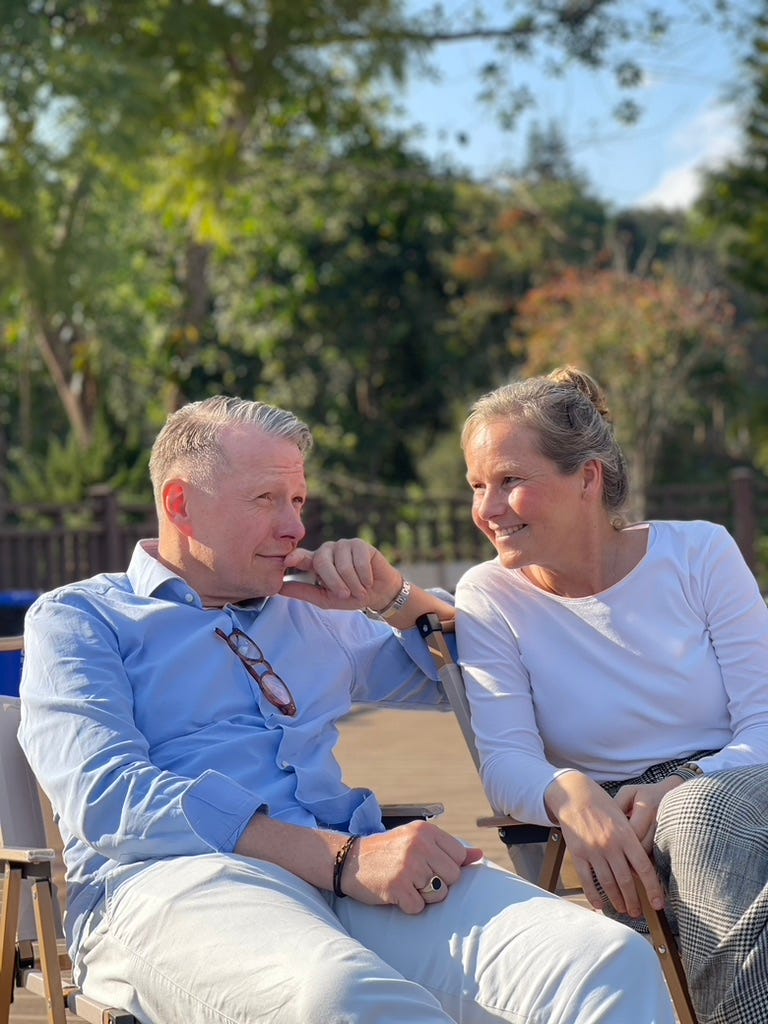
Andrea and I have explored this region ourselves. We know the roads, the places to stay and the people we want you to meet. Those relationships draw us back. A mountain becomes more interesting when someone who lives there begins to explain it.
A forest with a long memory
On Jingmai Mountain, tea has grown within the forest for more than a thousand years.
The Blang and Dai communities who shaped this landscape developed a way of cultivating tea beneath taller trees. Walking here, you pass old tea trees beneath high branches, through shifting patches of light, with villages connected to the groves around them.
UNESCO recognised this living cultural landscape in 2023.
For the Blang, the Tea Ancestor remains part of that relationship. Beliefs about the spirits of the mountain, its plants and animals connect the forest to the community’s spiritual life.
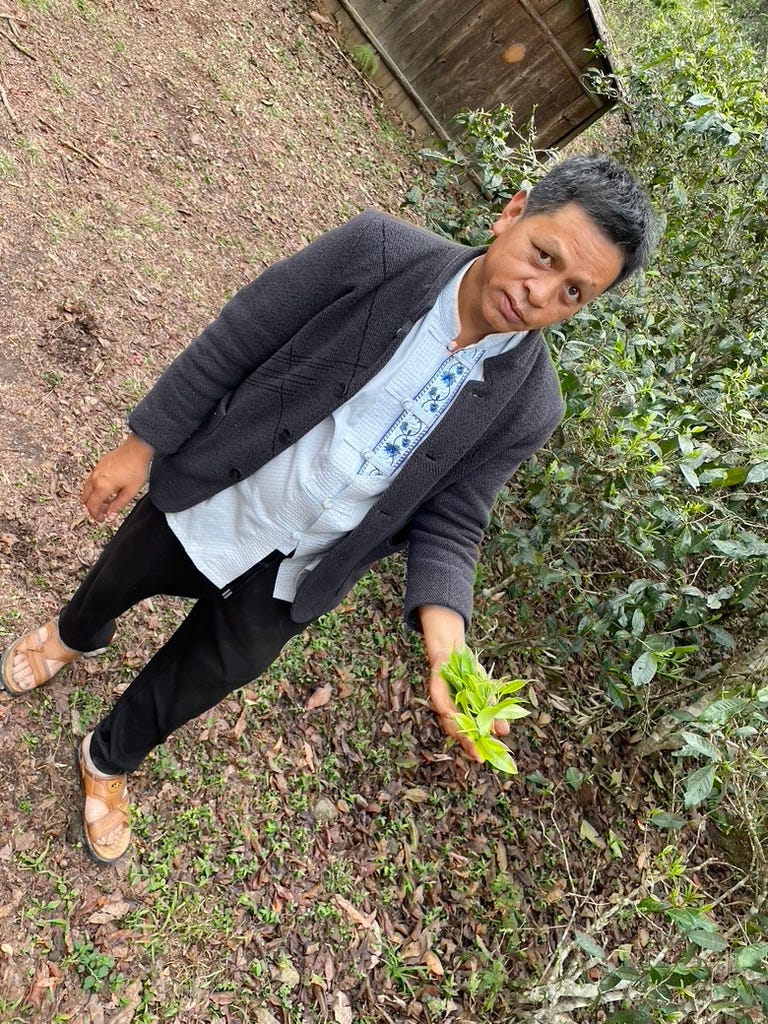
We know local growers who can bring us into their working production spaces. What happens during a visit follows the season and the work underway. There is time to ask questions, taste different teas and understand why a particular mountain, tree or method matters to the person pouring your cup.
Nannuo Mountain brings another chapter, with Hani villages and tea gardens containing trees that have been cultivated for centuries. In Menghai, the conversation turns towards trade. Tea from the surrounding mountains is assessed, bought and sold here. Following it from the forest into town gives the journey a satisfying continuity.
The people between the mountains
The roads connect communities with different languages, beliefs and ways of making a living.
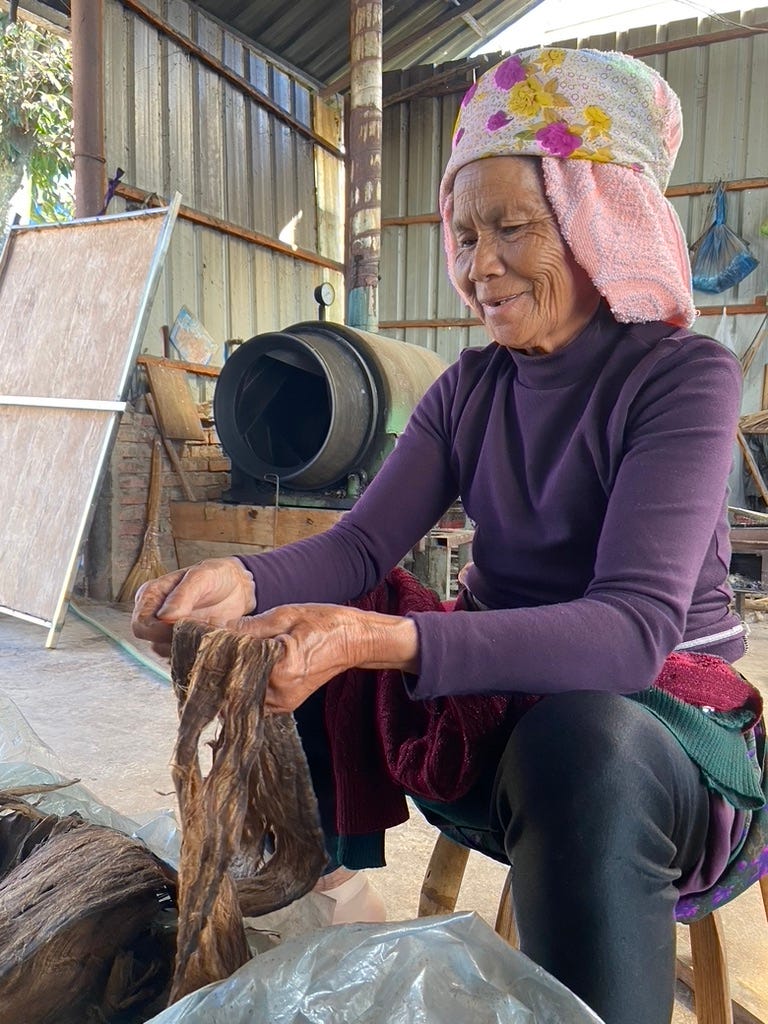
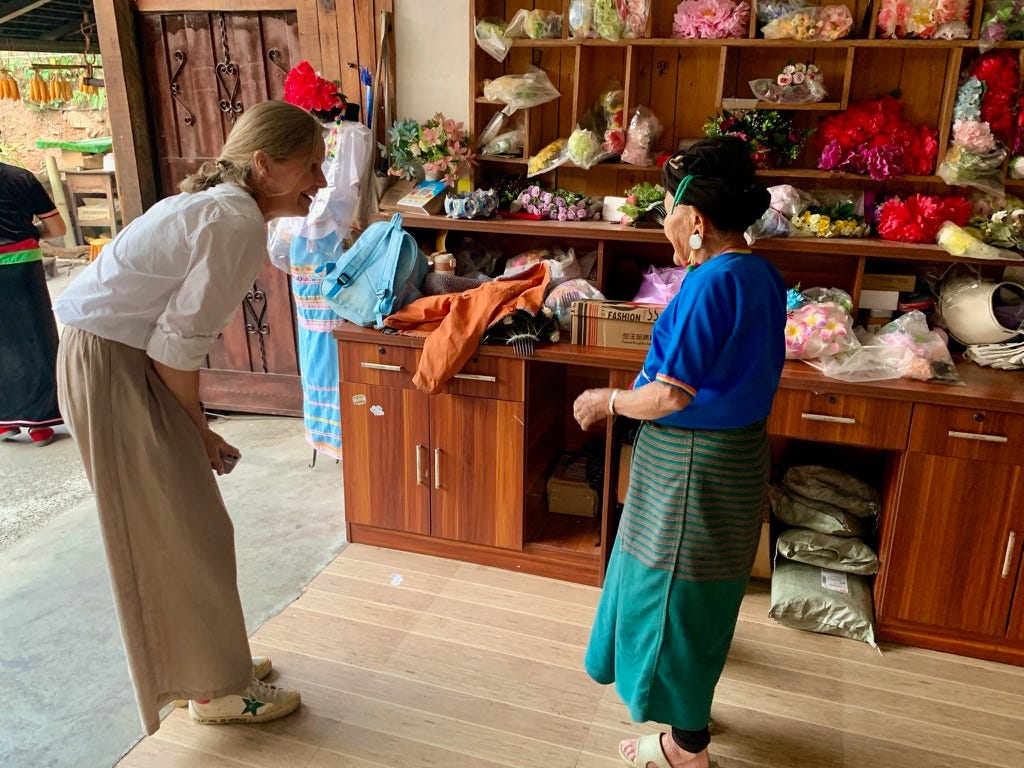
In Manzhao, Dai families continue to make paper by hand. Bark fibres become sheets used for wrapping tea and for contemporary craft products. The skill remains part of the village economy.
Laodabao lies in a quiet valley along our route. Here, Lahu musical traditions and Christian faith form part of a distinctive village culture. An overnight stay allows time for village life to unfold around us.
These encounters are a large part of why we travel this way. Andrea and I speak Chinese, and our relationships allow conversations to develop beyond the first introduction.
Coffee country and Mekong evenings
Coffee adds another layer to these hills.
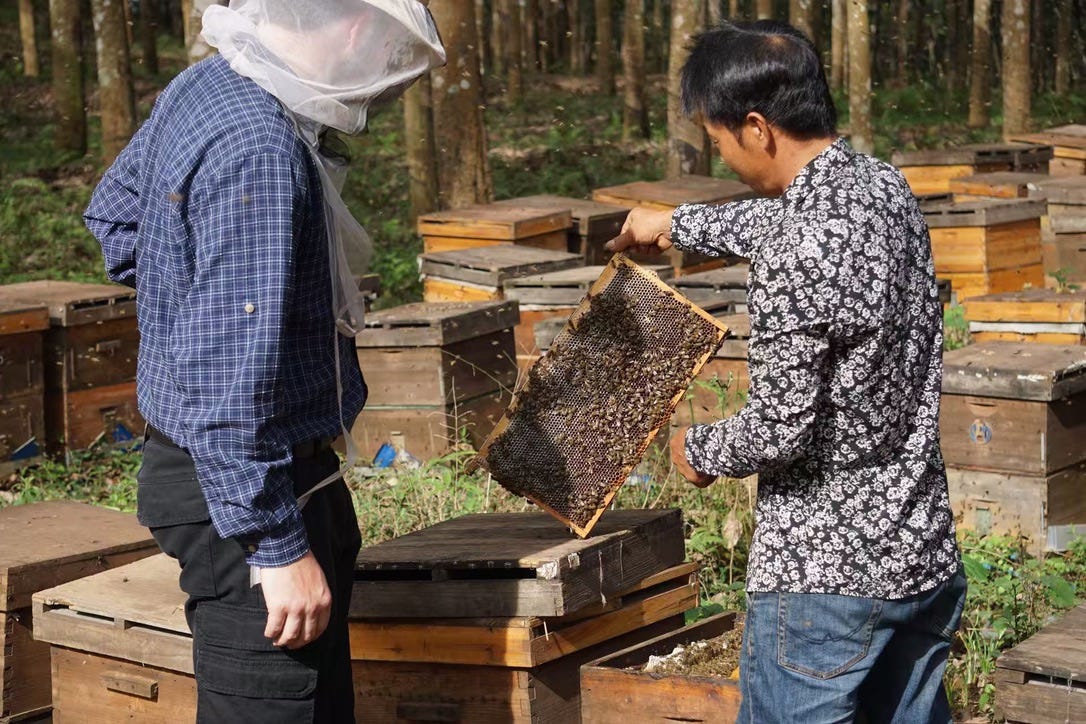
Around Mengsong, we visit growers and spend time with the people behind the beans. In Menglian, coffee and avocado have both become important local crops, with cafés finding their own ways to combine them.
There is pleasure in tasting what grows nearby and hearing how a farming family’s work is changing.
Jinghong brings the energy of the river and the lowlands. The Lancang, which becomes the Mekong downstream, runs through a city whose Dai culture, Buddhist temples and tropical vegetation give it a strong connection with Southeast Asia.
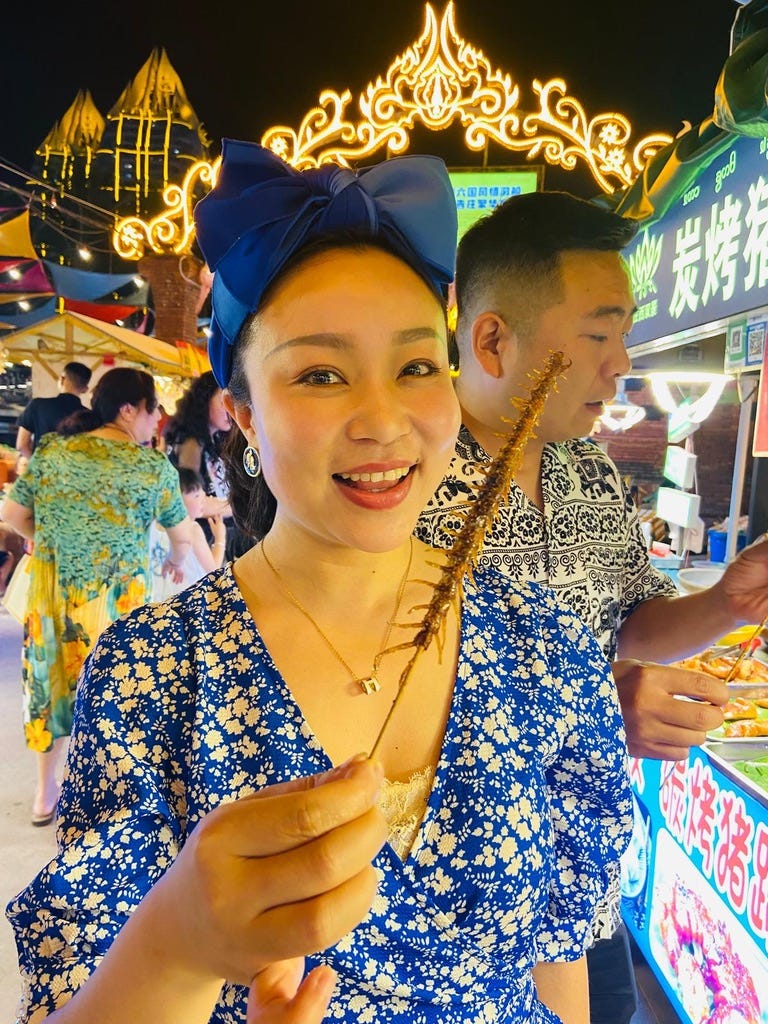
After dark, the Starlight Night Market spreads into a great expanse of food stalls, lights and people. We leave time to wander, eat and enjoy the warm evening air.
Places worth staying for
Southern Yunnan also has an exceptional collection of small hotels.
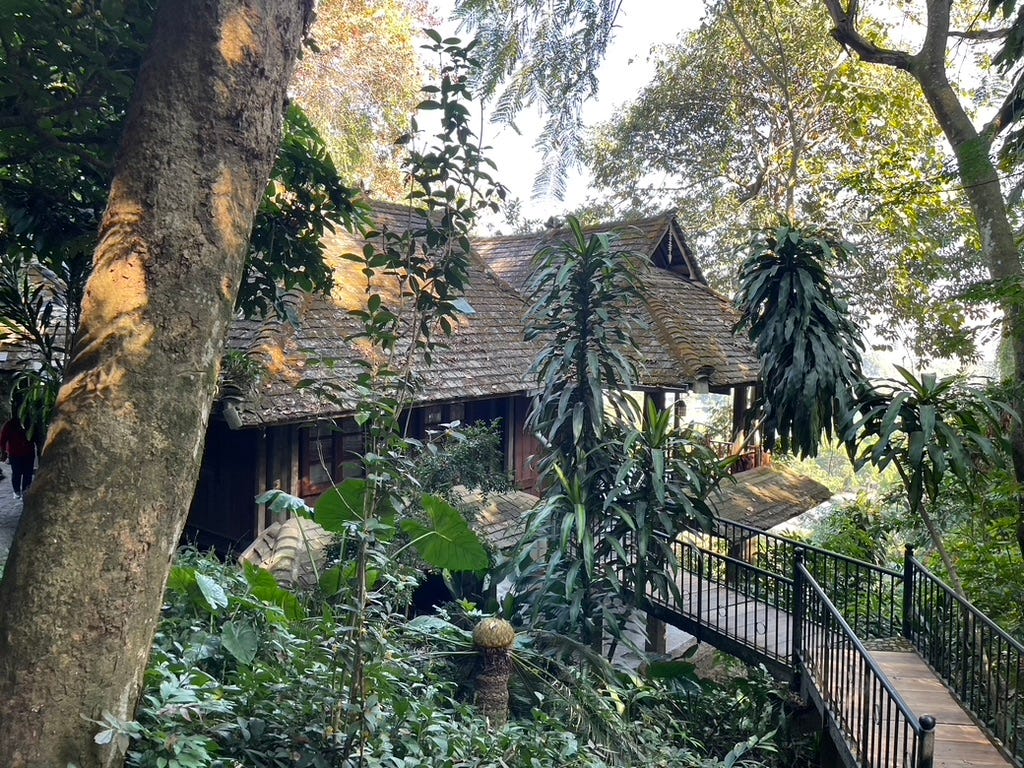
At Yourantai, Gerard has created his own little paradise, with a tropical garden that invites you to spend part of the day doing very little. On Jingmai Mountain, VipaXana Abaila places a beautiful stay within the tea landscape. At Nannuo, Mukelan gives us another reason to linger among the hills.
Bodhi Pasha brings together a private tea museum, art and views across the tea mountains towards Myanmar. Two nights leave room for the collection, the landscape and another pot of tea.
The hotels are a substantial pleasure throughout this journey. Thoughtful architecture, beautiful settings and personal hosts give each stay its own character. Simpler village accommodation in Menglian and Laodabao brings us closer to the communities we have come to meet.
Thirteen days to get to know the south
We have brought these places together in a private journey of thirteen days and twelve nights, beginning and ending in Jinghong.
The route opens with two nights at Yourantai, with M Villa available as an alternative. We continue to Jingmai Mountain for two nights, then spend two nights in Menglian before an overnight stay in Laodabao.
Two nights in Menghai leave time for the tea trade, Manzhao’s paper makers and coffee around Mengsong. A night on Nannuo Mountain follows, before two final nights at Bodhi Pasha.
We have deliberately allowed time to settle into places. A conversation can continue. A second cup can become a third. There is room to enjoy the hotels we have chosen.
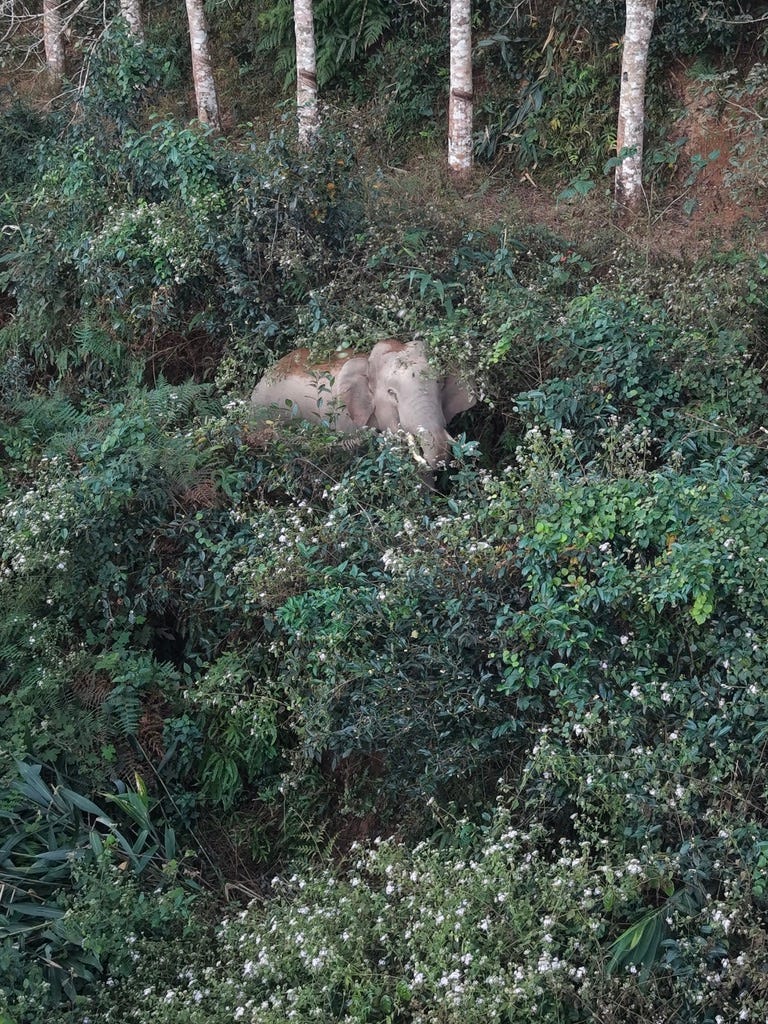
For those drawn farther into the rainforest, we can arrange a separate elephant safari of three days and two nights. Southern Yunnan is home to China’s remaining wild Asian elephants. With local guides who monitor their movements, we travel into remote country and stay in simple village accommodation. Sightings depend on the animals and conditions on the day. Guiding, meals and overnight stays bring income directly to the people who live here.
Andrea and I personally accompany and drive the journey, for two or four guests travelling together. We take care of the planning, accommodation, meals, nonalcoholic drinks, included visits and transport. You can settle into the car, look around and enjoy where the road takes us.
The journey costs EUR 5,900 per person for two guests sharing one double room, or from EUR 3,600 per person for four guests sharing two double rooms. The optional elephant safari is priced separately.
Explore our Southern Yunnan journey and enquire about your dates
Tell us when you would like to travel and who will join you. We will arrange a personal conversation and shape the journey together.
Andrea and René